Pests

Wasps

Wasps

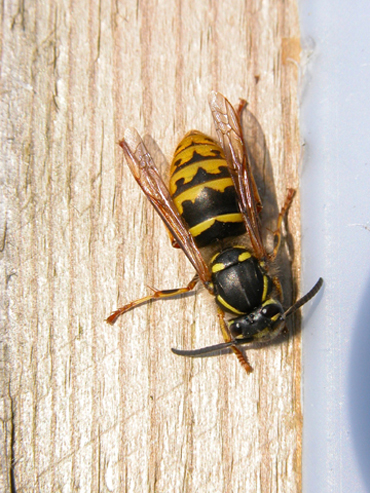
Vespoidea – The social life of the wasps is characterized by the division of labour. This means that the females and the males are dedicated to reproduction. The workers build the nest, feed the larvae and defend the society. The workers are in actual fact females without reproductive organs. Come autumn time the society will […]

Wasps Read More »

Ticks

Ticks

Ixodida – Ticks: is the common collective name for small wingless arachnids in the species group mites. Ticks are parasites which survive by sucking blood from mammals or birds, while simultaneously injecting a mildly anaesthetic venom. The hosts do not normally feel any pain. Ticks may, after having filled themselves up on blood, swell up

Ticks Read More »

Spanish Slug

Spanish Slug

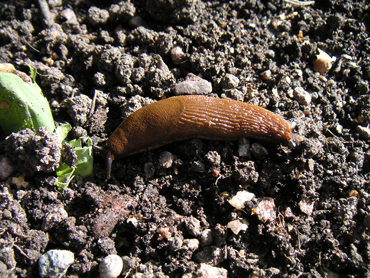
Arion lusitanicus – It owes its spectacular nickname “killer slug” to its aggressive and partly cannibalistic nature. Damages from feeding slugs can be found in almost all kinds of crops and plants. The Spanish Slugs are being spread out passively by above all that the eggs and the adults travel with transports of plants, soil

Spanish Slug Read More »

Mouse

Mouse

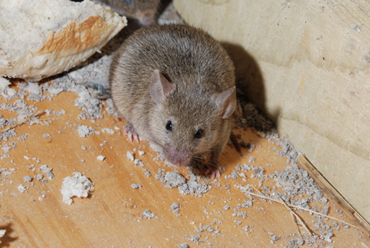
Mus musculus – Mice are among the most successful pests. This is due to their remarkable ability to adapt to varying climates and environments. Mice have a very good sense of balance and can handle themselves physically under extreme circumstances. They know how to climb, jump, swim and even how to squeeze through tiny openings

Mouse Read More »

Indian Meal Moth

Indian Meal Moth

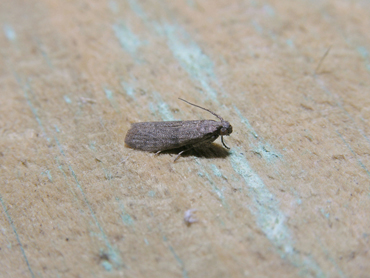
Ephestia kuehniella – The stored products’ moths attack grain products such as flour, bisquits and crackers and thus is a major pest in above all bakeries, food industries, but also in private kitchens. The larvae leave behind a sticky thread of silk which makes the flour stick together in big lumps. At the same time

Indian Meal Moth Read More »

German Cockroach

German Cockroach

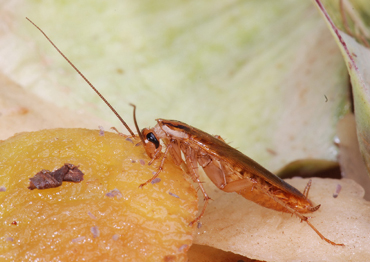
Blatella germanica – The cockroaches, especially the German cockroaches, exist in small colonies inside heated buildings (above at least +20°C), and prefer warm and moist environments, such as hotels, restaurants, bakeries and supermarkets, but they are not very common in private houses or in green houses. The cockroaches like to hang around ovens, heating pipes,

German Cockroach Read More »

Fruit Flies

Fruit Flies

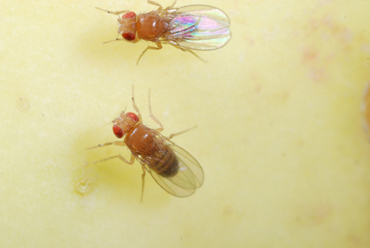
Drosophila melanogaster – The Fruit Fly, sometimes referred to as Banana Fly or Fruit – and Vinegar Fly. There exist about 30 different sub-species, in principle it’s a matter of the same insect but with different names which hint at the particular taste preference of each sub-species. They have an extremely fast reproduction rate. They

Fruit Flies Read More »

Common mosquito

Common Mosquito

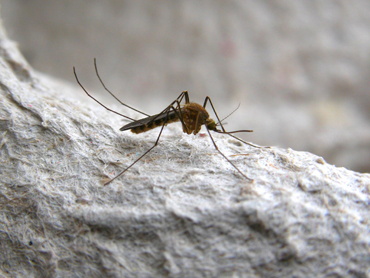
Culex pipiens – 2700 mosquito species are known to exist. The most common one is the Culex pipiens. Only the females are bloodsuckers. The females require blood in order to have enough nourishment for laying eggs. The males feed on nectar. Mosquitoes look for still waters, which are found on moors, rain barrels, sewers and

Common Mosquito Read More »

House Fly

Common House Fly

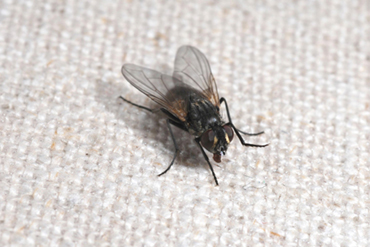
Musca domestica – The common House Fly is the most commonly occurring flying insect in households, it is also one of the animal species that is the most scattered around the world. Flies are annoying and unpleasant to humans and domestic animals alike. They soil with their excrement and spread infectious diseases. As the flies

Common House Fly Read More »

Black Slug

Common Black Slug

Arion ater – Black Slugs are the most common species one notices in rainy and humid weather. Black slugs, which are commonly found in woods, but also in gardens, feed on primarily mushrooms, but also on green plants and decaying plant parts. Appearance: Slugs can be up to 15 cm in length. They have a

Common Black Slug Read More »

Scroll to Top